Job Search Strategy

What Actually Shows Up on a Background Check and What Can Kill Your Job Offer (2026 Complete Guide)

RoleAlign Team
12 min read
Prices verified February 2026
Includes Video

The offer is out, the start date is penciled in, and then a background check report lands with something that makes everyone pause. A hiring manager contacts HR. HR contacts Legal. Someone asks, "What do we do now?" In that moment, fair chance hiring stops being a slogan and becomes a real workflow issue, with legal exposure, reputational risk, and a human being on the other side of the process.

The offer is out, the start date is penciled in, and then a background check report lands with something that makes everyone pause. A hiring manager contacts HR. HR contacts Legal. Someone asks, "What do we do now?" In that moment, fair chance hiring stops being a slogan and becomes a real workflow issue, with legal exposure, reputational risk, and a human being on the other side of the process. Hoyer Law Group notes that modern fair chance laws increasingly require employers to "show their work" when criminal history influences a hiring decision. This isn't just about "Ban the Box" anymore; more than 37 states and over 150 cities and counties have adopted some form of it, but practices vary widely Mitratech. If your company hasn't kept up, the risk is not just technical noncompliance but inconsistent decision-making and avoidable claims of unfairness. Understanding what actually shows up on a background check and what can kill your job offer is critical for both employers navigating compliance and candidates hoping to secure their next role. Employers must now conduct individualized assessments, provide written notices, and allow candidates a genuine opportunity to respond before a final decision is made Hoyer Law Group.
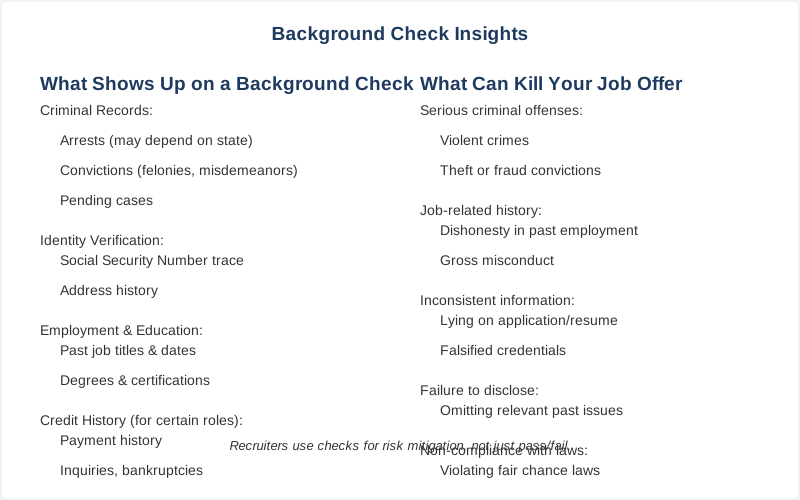
Infographic comparing background check results vs. job offer impact.
Key specifications for What Actually Shows Up on a Background Check And What Can Kill Your Job Offer

The Real Answer

Recruiters view background checks not as a final hurdle, but as a vital risk mitigation tool. What appears is less about a definitive "pass" or "fail" and more about assessing job relevance and potential red flags, especially with evolving fair chance hiring laws.

The core insight from the recruiting side is that a background check is a verification process, not an interrogation. Employers are looking for consistency between what you presented and what can be independently confirmed. This includes criminal records, employment history, and educational credentials. The context of the role is paramount; a DUI might be a non-issue for a remote software engineer but a deal-breaker for a delivery driver as discussed on Reddit. Beyond these core areas, comprehensive checks can also delve into credit reports, drug testing, and even driving records, depending on the nature of the position as detailed by iProspectCheck.

What actually shows up on a background check can be a mix of arrest records (though their use is restricted in many places) and, more critically, convictions at the county, state, or federal level as detailed by Vetty. A criminal background check, in essence, is a scan of various databases to ascertain any past or present encounters with the criminal justice system. Expunged or sealed records generally should not appear according to GoodHire. Employers are increasingly required to conduct an individualized assessment rather than blanket exclusions, especially under fair chance hiring laws as noted by Hoyer Law Group. This means that the nature of the offense, how long ago it occurred, and its relevance to the job are all considered. Moreover, compliance with the Fair Credit Reporting Act (FCRA) is essential, ensuring that candidates are notified and give consent before a check is performed as highlighted by Trudiligence.

A failed background check leading to a rescinded job offer is often due to significant discrepancies or serious, job-relevant offenses. This could involve unverified employment history, fabrications about qualifications, or criminal activity that directly conflicts with the job's responsibilities. For instance, a history of fraud might be a significant concern for a role involving financial handling. The trend in 2026 is towards more rigorous compliance, meaning employers must "show their work" when a criminal record influences a hiring decision, providing candidates an opportunity to respond according to Mitratech. This proactive approach to compliance not only mitigates legal risks but also fosters a more equitable hiring process, ensuring that candidates are evaluated fairly based on their suitability for the role.
To avoid ending up in a dead end job, it's crucial to learn how to evaluate a potential role's value by reading about good job offers.
Understand that recruiters prioritize job relevance; focus on how your past aligns with the role, not just the data itself.
Analyzing your resume and job application materials on a desk is crucial. Most background checks focus on information directly relevant to the position, with over 50% of employers using them. | Photo by Lukas Blazek

What's Actually Going On

1
ATS Parsing & Recruiter Screening - Before a human even sees your resume, an Applicant Tracking System (ATS) like Workday or Greenhouse is likely parsing it. It's looking for keywords, specific skills, and quantifiable achievements that match the job description. Recruiters then screen for obvious red flags and alignment with core requirements. They're not deep-diving yet, just doing a quick pass to see if you're a potential fit.
2
Hiring Manager Review & Committee Decisions - If you pass the initial screens, the hiring manager reviews your profile. They're assessing not just skills but also cultural fit and potential impact. In more complex organizations, a hiring committee might weigh in. This is where subjective elements come into play, but decisions are increasingly expected to be data-driven and defensible, especially concerning criminal history, aligning with modern fair chance hiring principles Fair Chance Hiring in 2026: How Employers Can Use Background ....
3
The Background Check Itself - This is where the details matter. What shows up on a background check typically includes:
  • Criminal records (arrests, misdemeanors, felonies). Employers must now "show their work" when criminal history influences a hiring decision, often requiring individualized assessments mitratech.com. Expunged or sealed records generally should not appear Federal Background Checks: What They Show & ....
  • Employment history verification (dates of employment, titles, reasons for leaving).
  • Education and certification verification.
  • Credit reports (often for roles involving financial responsibility or sensitive data).
  • Driving records (for positions requiring driving).
4
Differences by Company Size and Industry - Startups might have more informal processes, relying heavily on founder intuition, while enterprises have more structured, often automated, screening. Tech companies may focus on technical skills and project history, while finance and healthcare industries have stricter checks due to regulatory requirements and the sensitive nature of their work. A financial crime is a major red flag for finance roles, whereas a minor DUI might be a concern for a driving-intensive job but less so for a remote software engineer. Seniority also plays a role; higher-level positions often undergo more rigorous checks.
5
What Kills the Offer: Inconsistencies and Major Issues - The most common reasons for a failed background check are material discrepancies (lying about employment dates, education, or certifications) and convictions that directly relate to the job's responsibilities. Violent crimes, fraud, theft, and serious DUIs for driving roles are significant concerns. Modern fair chance hiring laws mean employers can't just blanket-exclude; they must assess relevance and provide an opportunity to respond Fair Chance Hiring in 2026: How Employers Can Use Background .... A background check job offer rescinded often stems from these critical mismatches or undisclosed issues.
Understanding non-compete agreements can also shed light on interview legalities that protect job seekers.
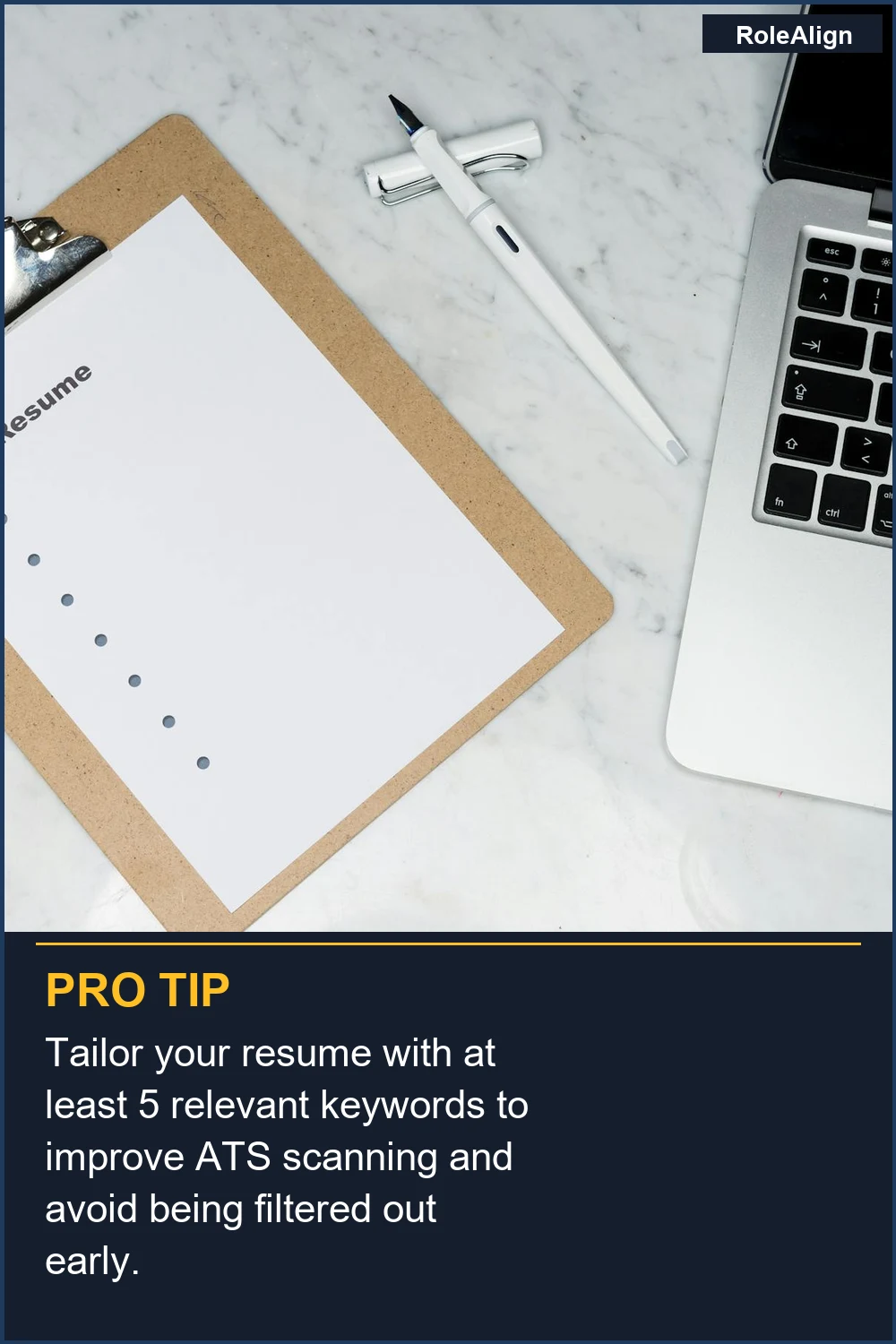
Tailor your resume with at least 5 relevant keywords to improve ATS scanning and avoid being filtered out early.
A resume presented on a clipboard with a pen and laptop highlights the initial screening process. Many employers use Applicant Tracking Systems (ATS) that scan resumes for essential keywords. | Photo by Markus Winkler

How to Handle This

1
Proactively Disclose and Explain. If you know something potentially problematic might appear on your background check, address it *before* the check runs, ideally during the interview process or immediately after a conditional offer. For instance, if you have a minor conviction from years ago that's no longer relevant to the job, explain the circumstances and how you've moved past it. Recruiters want to see self-awareness and accountability. Skipping this means the first they hear of it is a red flag on a report, making it harder to overcome. This is especially critical for roles where trust is paramount, like finance or healthcare, where even minor financial or fraud-related offenses can be a major roadblock What are some red flags on a background check that has made you ....
2
Know the Law and Your Rights. Understand that not everything can legally be used against you. Modern fair chance hiring laws require employers to conduct individualized assessments rather than blanket exclusions Fair Chance Hiring in 2026: How Employers Can Use Background .... For example, an arrest record without a conviction usually shouldn't be a sole reason for denial. If a background check reveals something unexpected, you have the right to review the report and dispute inaccuracies. Failing to understand these protections means you might accept an unfair rejection. This is crucial because a failed background check can lead to a job offer being rescinded, even after you've received it.
3
Verify Your Own Information. Before applying, especially for roles where accuracy is key (like data analysis or compliance), run a personal background check. This allows you to catch discrepancies in your employment history, education, or certifications. Recruiters use these checks to verify your resume and LinkedIn profile plexusglobalinc.com. If dates of employment don't match, or educational credentials can't be verified, it looks like you're trying to mislead the employer. This is a common reason for a job offer rescinded because it erodes trust. For senior roles, inconsistencies in leadership experience or project timelines are particularly scrutinized.
4
Contextualize Sensitive Information. For roles involving financial responsibility, an employer credit check job might be standard. However, if your credit report shows "signs of financial distress," understand that this is often a consequence of unemployment, which is why you're seeking a job What are some red flags on a background check that has made you .... Recruiters are increasingly trained to look at the context, not just the data. If you can demonstrate that your financial situation has improved or is stable now, and that the past issues are not indicative of your current ability to handle financial responsibilities, this can mitigate the risk. Not providing this context leaves the recruiter to make assumptions, potentially leading to a negative decision. This applies across industries, but is especially sensitive in finance and executive positions.
Understanding how to avoid pitfalls can help you recognize what a dead end job truly entails.
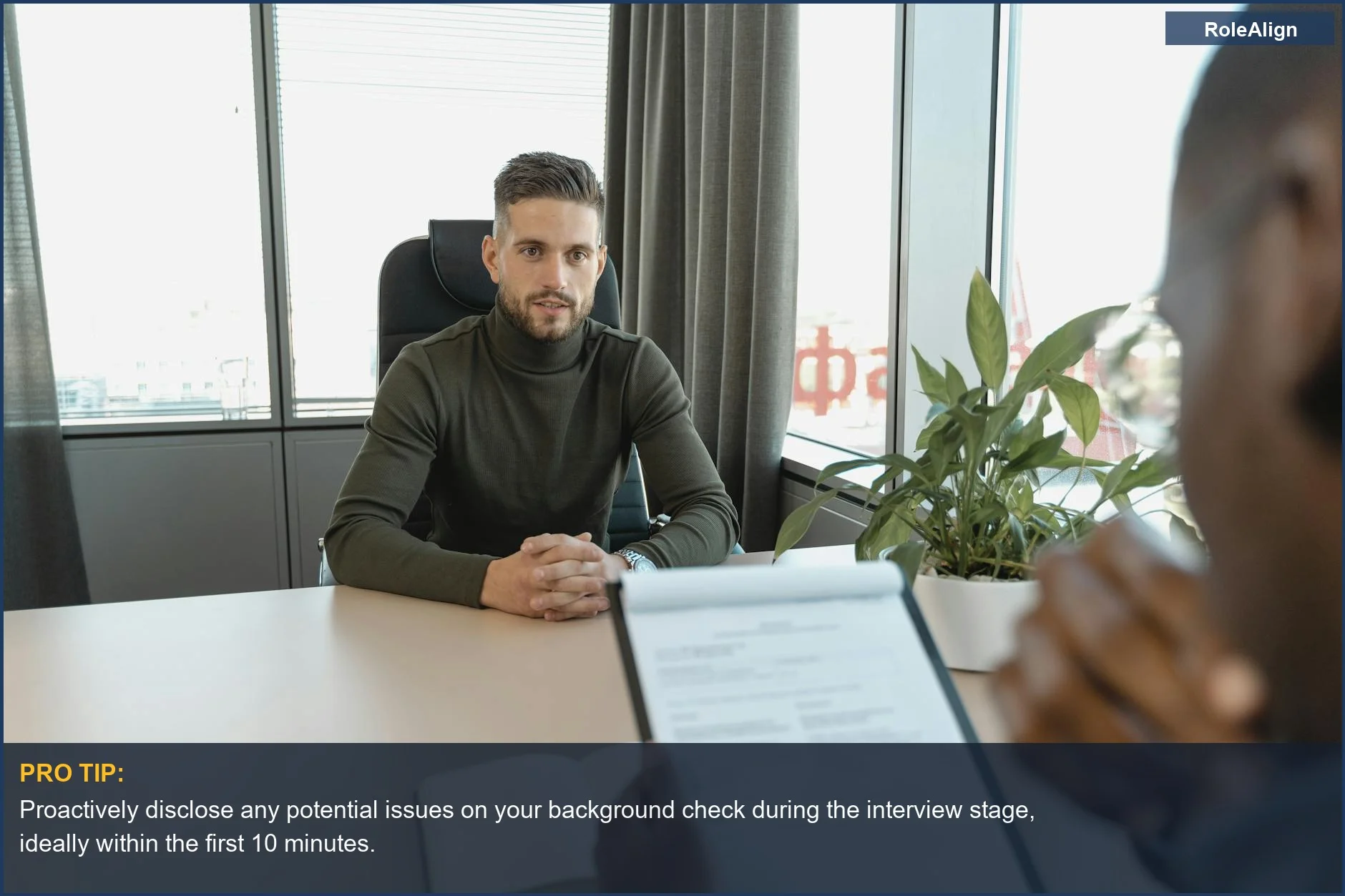
Proactively disclose any potential issues on your background check during the interview stage, ideally within the first 10 minutes.
A professional at an office desk during an interview can face questions about their background. Disclosing potential red flags early can prevent a background check job offer rescinded. | Photo by Tima Miroshnichenko

What This Looks Like in Practice

  • Senior Software Engineer, FinTech Startup: A candidate with a strong technical background had a past arrest for financial fraud that was more than seven years old. The startup rescinded the job offer, citing concerns about handling sensitive financial data. This highlights how even older, non-conviction records can be a significant hurdle, particularly in regulated industries. The lack of an individualized assessment, as recommended by modern fair chance hiring practices, likely contributed to the negative outcome Fair Chance Hiring in 2026: How Employers Can Use Background ....
  • Entry-Level Data Analyst, Large Retail Company: A candidate with a newly earned degree was flagged due to inconsistencies in their resume regarding previous part-time employment. Dates of employment did not align, and job titles were slightly inflated. The company issued a formal request for clarification, and the candidate provided documentation and a clear explanation for the discrepancies. This scenario demonstrates that minor resume inaccuracies can cause a pause, but clear communication and verifiable details often resolve the issue, preventing a failed background check What Causes a Failed Background Check? Employer Guide.
  • Career Changer from Healthcare to Product Management, Tech Company: An applicant disclosed a driving under the influence (DUI) conviction from over a decade ago, which appeared on their background check. The role did not involve driving, and the company conducted an individualized assessment, considering the time elapsed and the nature of the offense relative to the job responsibilities. The offer was upheld, illustrating how a job-related assessment is crucial in fair chance hiring 2026 Fair Chance Hiring: Background Check Compliance Updates.
  • Mid-Level Marketing Manager, Non-Profit Organization: A candidate's credit report revealed significant debt and several collections. While the role did not involve direct financial management, the organization viewed this as a potential red flag for trustworthiness and reliability. The job offer was rescinded, underscoring that even for non-financial roles, financial history can sometimes be a deciding factor for employers concerned about overall candidate judgment.
Understanding what happens after you apply for a job can help you navigate the implications of your background check, as detailed in this article.
Be aware that even old records, like arrests over 7 years ago, can impact your offer, so review your report beforehand.
A recruiter examining candidate documents signifies a critical review stage. This process can lead to a background check job offer rescinded if significant concerns arise, impacting your employment. | Photo by Tima Miroshnichenko

Mistakes That Kill Your Chances

Mistake Believing your criminal record is permanently gone after expungement or sealing.
Why candidates make it Misunderstanding how legal processes affect background checks across jurisdictions.
What recruiters actually see While expunged or sealed records *shouldn't* appear, some older systems might flag them, or "comprehensive" checks could pull from less reliable sources. This is especially true for federal checks where specific databases are searched Federal Background Checks: What They Show & ....
The fix Obtain a copy of your background check report *before* applying. If an expunged record appears, dispute it with the background check company and have legal documentation ready to prove its sealed status.
Mistake Inflating job titles or fudging employment dates to appear more qualified.
Why candidates make it Pressure to stand out, especially for new grads or those with career gaps.
What recruiters actually see Inconsistencies are a major red flag. Recruiters compare your resume, LinkedIn, and background check verification. Mismatched dates or inflated titles signal dishonesty, leading to a job offer rescinded What are some red flags on a background check that has made you ....
The fix Be scrupulously honest about your employment history. If there are gaps, explain them professionally. Accuracy is paramount.
Mistake Assuming all credit checks are the same and irrelevant for non-finance roles.
Why candidates make it Many believe employer credit checks are only for financial institutions.
What recruiters actually see For roles involving financial responsibility, access to sensitive data, or certain senior positions, an employer credit check can reveal patterns of financial distress linkedin.com. This isn't about your credit score but potential risk factors. Fair chance hiring laws require employers to focus on job relevance Fair Chance Hiring in 2026: How Employers Can Use Background ....
The fix Understand credit checks can be job-relevant. If you have significant financial issues, address them proactively if the role requires it, focusing on how you've managed the situation.
Understanding how mistakes during a probation period can affect your job stability is crucial; learn more about it in our article on probation periods.
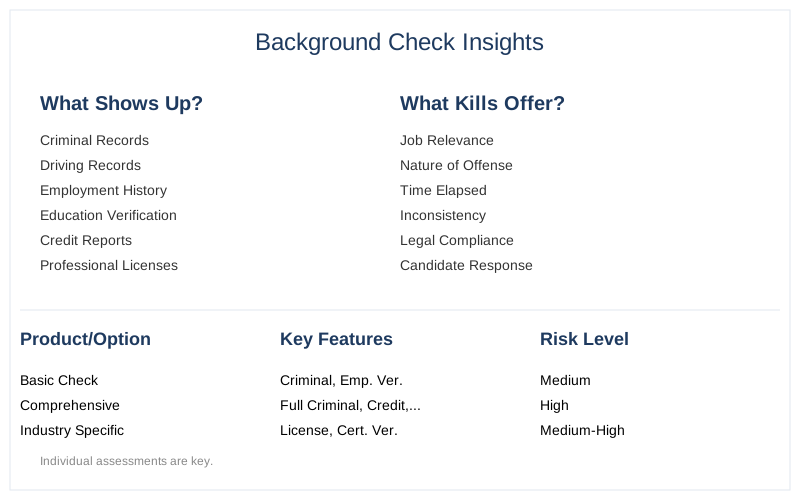
Infographic: Background check pros/cons & job offer killers.
Product comparison for What Actually Shows Up on a Background Check And What Can Kill Your Job Offer

Key Takeaways

  • The most crucial takeaway for any job seeker is this: transparency and honesty are paramount; lying about your past, especially employment history or credentials, is a far more common reason for a background check job offer rescinded than a minor past offense [Source].
  • Fair chance hiring laws are evolving, requiring employers to conduct individualized assessments rather than blanket exclusions for criminal history Fair Chance Hiring in 2026: How Employers Can Use Background .... This means employers must "show their work" and provide you an opportunity to respond before a final decision 2026 Fair Chance Hiring: Background Check Compliance Updates.
  • Expect your background check to cover criminal records (convictions, and sometimes arrests depending on state law), employment history verification, and education/certification confirmation What Shows Up on a Criminal Background Check?. For certain roles, an employer credit check job may also be conducted plexusglobalinc.com.
  • Expunged or sealed records are generally not discoverable on federal background checks for employment Federal Background Checks: What They Show & .... However, discrepancies in dates of employment or inflated job titles are significant red flags [Source].
  • The single most important thing a recruiter would tell you off the record? "Don't lie. Period." Even minor inconsistencies or omissions can be far more damaging than a past mistake handled with honesty and context [Source].
Understanding the nuances of employment agreements can also shed light on other workplace issues, such as age discrimination in hiring.

Frequently Asked Questions

What kind of information do employers typically look for in a background check?
Employers commonly review your criminal record, employment history, educational background, and professional certifications. Some roles may also involve a review of your driving record or credit report, especially if the job involves financial responsibility or operating a vehicle. The specific information sought often depends on the nature of the job and industry regulations.
Can a minor offense or an old arrest still show up on a background check?
Yes, arrest records can sometimes appear on background checks, though their use is restricted in many states as an arrest doesn't equate to a conviction. Convictions, ranging from infractions to felonies at the county, state, or federal level, are generally visible. Expunged or sealed records typically should not appear, but this can vary by jurisdiction and the type of check performed.
What are some common reasons a job offer might be rescinded after a background check?
A job offer can be rescinded due to significant criminal convictions, especially those related to violence or fraud, or DUIs for driving-related positions. Discrepancies or outright lies about your employment history, such as falsifying dates of employment, are also major red flags. Failing to verify employment or educational history can also lead to a failed background check and a rescinded offer.
Are employers allowed to check my credit report for a job?
Employers can conduct an employer credit check for a job, but it's usually limited to specific roles where financial responsibility is key, such as positions involving handling money or access to sensitive financial data. Many states and cities have regulations limiting when credit checks can be used in hiring to prevent discrimination. You should be informed if a credit check is part of the background screening process.
What does 'fair chance hiring' mean for background checks in 2026?
Fair chance hiring laws in 2026 require employers to conduct more individualized assessments rather than blanket exclusions based on criminal history. This often means delaying background checks until after a conditional offer is made, providing candidates with notice of any negative findings, and giving them an opportunity to respond before a final hiring decision. The goal is to ensure people aren't automatically disqualified due to past records and to promote more equitable hiring practices.

Sources

Related Articles