
What Happens After You Click Apply on a Job Posting (2026 Complete Guide)
The notification email sits unread in your inbox. You clicked "Apply" on that dream job listing two days ago, and the silence is deafening. Did your meticulously crafted resume even make it past the digital gatekeepers? In 2026, simply hitting submit is rarely enough.
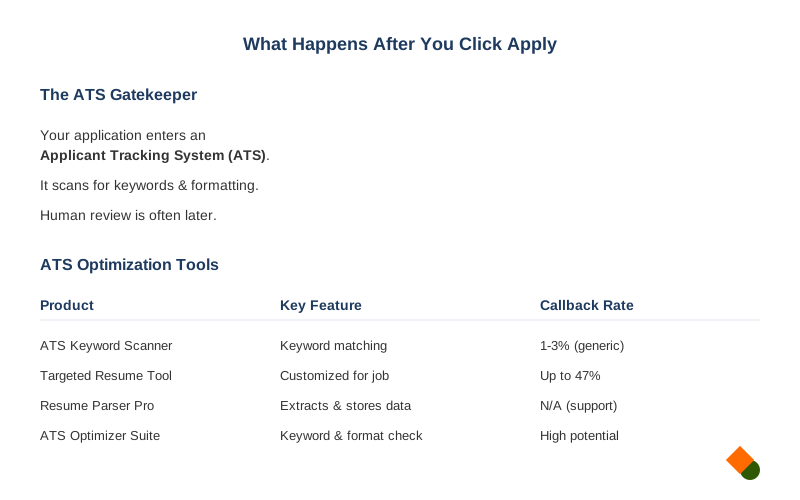
The notification email sits unread in your inbox. You clicked "Apply" on that dream job listing two days ago, and the silence is deafening. Did your meticulously crafted resume even make it past the digital gatekeepers? In 2026, simply hitting submit is rarely enough. Your CV and application details likely land in an Applicant Tracking System (ATS), the first hurdle in what's become a highly automated job application process. These systems parse your information, scanning for keywords and formatting before a human ever sees it . Generic applications often fail these initial screenings, drastically reducing callback rates. For example, targeted, ATS-optimized applications can achieve callback rates as high as 47%, a stark contrast to the 1-3% seen with automated tools . Understanding what happens after apply means recognizing the critical role of ATS optimization and strategic targeting from the moment you click.
Beyond the initial ATS scan, your application enters a complex digital pipeline. It's not uncommon for applications to remain in a "review" stage indefinitely, meaning a human might never actually lay eyes on them . The ATS acts as a central repository, storing all applicant data for extended periods, sometimes one to three years . This automated storage is designed to streamline future searches for similar roles, but it also means your application might be passively waiting for an opportune moment. To navigate this system effectively, a strategic approach is paramount, involving targeting specific companies, crafting ATS-ready resumes in formats like .docx, and even employing human-assisted submission methods to increase visibility . This proactive engagement is crucial for standing out in a crowded digital landscape and ensuring your application doesn't simply get lost in the digital ether.
The Real Answer
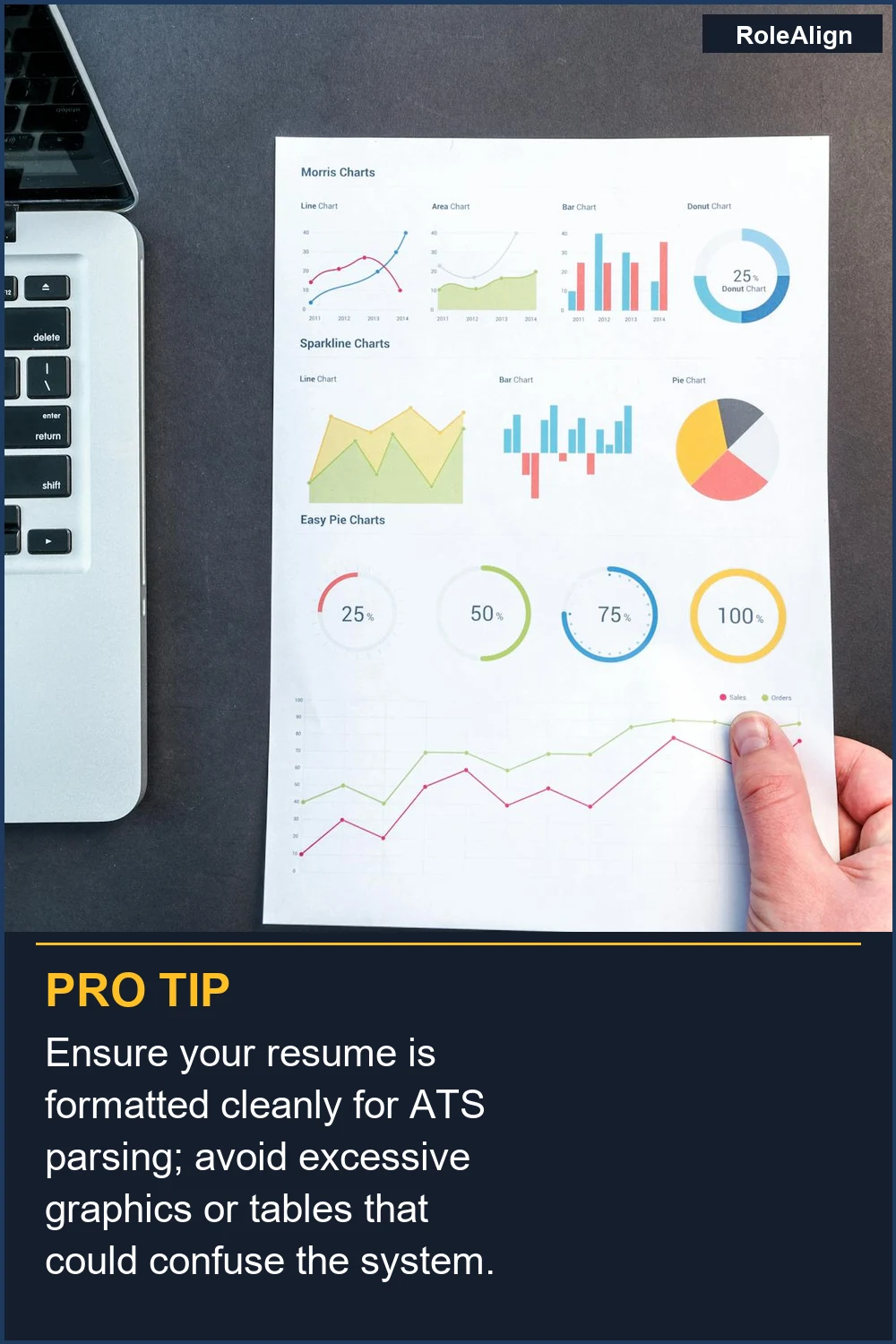
When you click apply, your resume doesn't magically land on a recruiter's desk; it enters an Applicant Tracking System (ATS). This system is the gatekeeper, scanning for keywords and formatting before a human even sees it.
Think of the ATS as a high-volume filter. It parses your resume, extracting information like job titles, dates, and skills, storing it against the job record for 1-3 years. Recruiters then search or filter these records based on specific criteria. Generic applications often fail this initial screening, drastically reducing your chances of getting noticed. The ATS is designed to manage the sheer volume of applications many companies receive, making it an essential first step in the hiring process. Without proper optimization for these systems, your qualifications might be overlooked, even if you are a perfect fit for the role. This initial scan is crucial, as it determines whether your application progresses to the next stage where a human recruiter will review it.
The reality is that many applications go into a "review stage" indefinitely, meaning you likely won't hear back from the company. This is why a precise, targeted approach is crucial in 2026. Instead of mass applying, focus on identifying 15-20 companies and tailoring your applications specifically to each role using ATS-optimized .docx resumes. This involves carefully analyzing the job description for keywords and incorporating them naturally into your resume and cover letter. For instance, if a job posting emphasizes "project management" and "stakeholder communication," ensure these exact phrases appear where relevant in your application materials.
For instance, Glassdoor data shows January sees 22% more job applications started than a typical month, indicating a surge in candidate activity in the U.S. This means the competition is fiercer. While applying early can be beneficial, it's the quality and relevance of your application that truly matters. Early applications might get seen first, but a poorly tailored resume submitted on day one will likely be outperformed by a highly relevant application submitted later. The surge in applications during peak hiring seasons underscores the need for a standout submission.
A 2024 study found that 64% of companies take 4-8 weeks to hire, with 27% taking over 8 weeks according to HireHive. The national average time-to-fill is around 44 days per Corporate Navigators. Understanding this extended timeline helps manage expectations when you click apply. This means that even after a recruiter reviews your application, there are multiple subsequent stages, including interviews, background checks, and offer negotiations, that contribute to the overall hiring duration. Patience and persistent, yet professional, follow-up can be key during this extended period.
What's Actually Going On
How to Handle This
What This Looks Like in Practice
- Senior Software Engineer at a Series B Startup. A targeted, ATS-optimized application submitted within the first few days of posting resulted in an interview. The key was tailoring the resume to match keywords precisely, demonstrating a clear understanding of the startup's tech stack and challenges, which led to a positive initial screening. Conversely, a generic application submitted later, without specific alignment to the role, went unnoticed. Scale.jobs
- Entry-Level Data Analyst at a Fortune 500. Applying early, within days of the job posting, significantly increased visibility. The application was processed through an Applicant Tracking System (ATS) that scored keywords and experience. A strong match on these criteria, coupled with a well-structured resume, led to a recruiter reaching out for an initial conversation. Applications submitted days later often fall behind, with many roles seeing a surge in submissions early on. LinkedIn; Aplin Blog
- Career Changer from Teaching to Product Management. A referral from a former colleague within the target industry proved crucial. This personal connection bypassed the initial ATS screening, leading directly to a hiring manager review. Without the referral, a standard application submitted through the company portal likely would have been filtered out due to a lack of direct product management experience, highlighting the power of networking in the job application process. Aplin Blog
- Mid-Level Marketing Manager at a Growing Tech Company. A meticulously crafted application, emphasizing quantifiable achievements and directly addressing the responsibilities outlined in the job description, secured an interview. The candidate proactively followed up with a brief, personalized email to the hiring manager, demonstrating initiative. Applications that lacked specific metrics or a clear connection to the role's requirements were less likely to progress. Matern Staffing
Mistakes That Kill Your Chances
Key Takeaways
- Understand that your application immediately enters an Applicant Tracking System (ATS) linkedin.com. This system parses your resume for keywords and relevance, acting as a primary filter before a human ever sees it What Actually Happens After You Hit "Submit Application"? : r/jobs. Generic applications often fail this initial scan, dramatically reducing callback rates.
- Targeted, ATS-optimized applications are crucial for standing out. In 2026, a practical system involves identifying 15-20 target companies and tailoring your resume and cover letter to each specific role Best Way to Apply to Jobs in 2026 (Step-by-Step System) - Scale.jobs. This focus on quality over quantity leads to significantly higher engagement rates than mass submissions.
- Be prepared for varying hiring timelines; the average time-to-fill can be around 44 days, with 64% of companies reporting 4-8 weeks and 27% taking over 8 weeks Hiring Timelines in 2026: A Seasonal Guide for CI Business Owners. While January sees a spike in job applications, responsiveness and a well-crafted application are key throughout the year.
- The single most important thing a recruiter would tell you off the record? "We're overwhelmed. Make it ridiculously easy for us to see you're a match." Your application isn't just a formality; it's your first and often only chance to prove you've done your homework and are worth further consideration.
Frequently Asked Questions
So I just clicked 'Apply' on a job. What's the very next thing that usually happens?
After I submit my application, will I hear back right away?
What does 'in review' mean after I've submitted my job application?
How long does it typically take for a company to look at my application after I apply?
What should I do after clicking 'Apply' on a job posting?
Sources
- What actually happens after you apply for a job? After you ... - LinkedIn
- glassdoor.com
- maternstaffing.com
- Hiring Timelines in 2026: A Seasonal Guide for CI Business Owners
- leeharding1_what-actually-happens-after-you-apply-for-a-activity-7289311230060621825-Vhwb
- What Happens After You Apply for a Job: Step-by-Step Guide
- Best Way to Apply to Jobs in 2026 (Step-by-Step System) - Scale.jobs
- What Actually Happens After You Hit "Submit Application"? : r/jobs
- reddit.com
- Job Search Strategies That Actually Work in 2026 - Aplin Blog
- What Happens To My Resume After I Click Apply? Plus Tips for ...
- What happens to your job application once you click submit?